
Shopify Collections Update 2026: Source-Based Logic, Subcollections, and Variant Merchandising
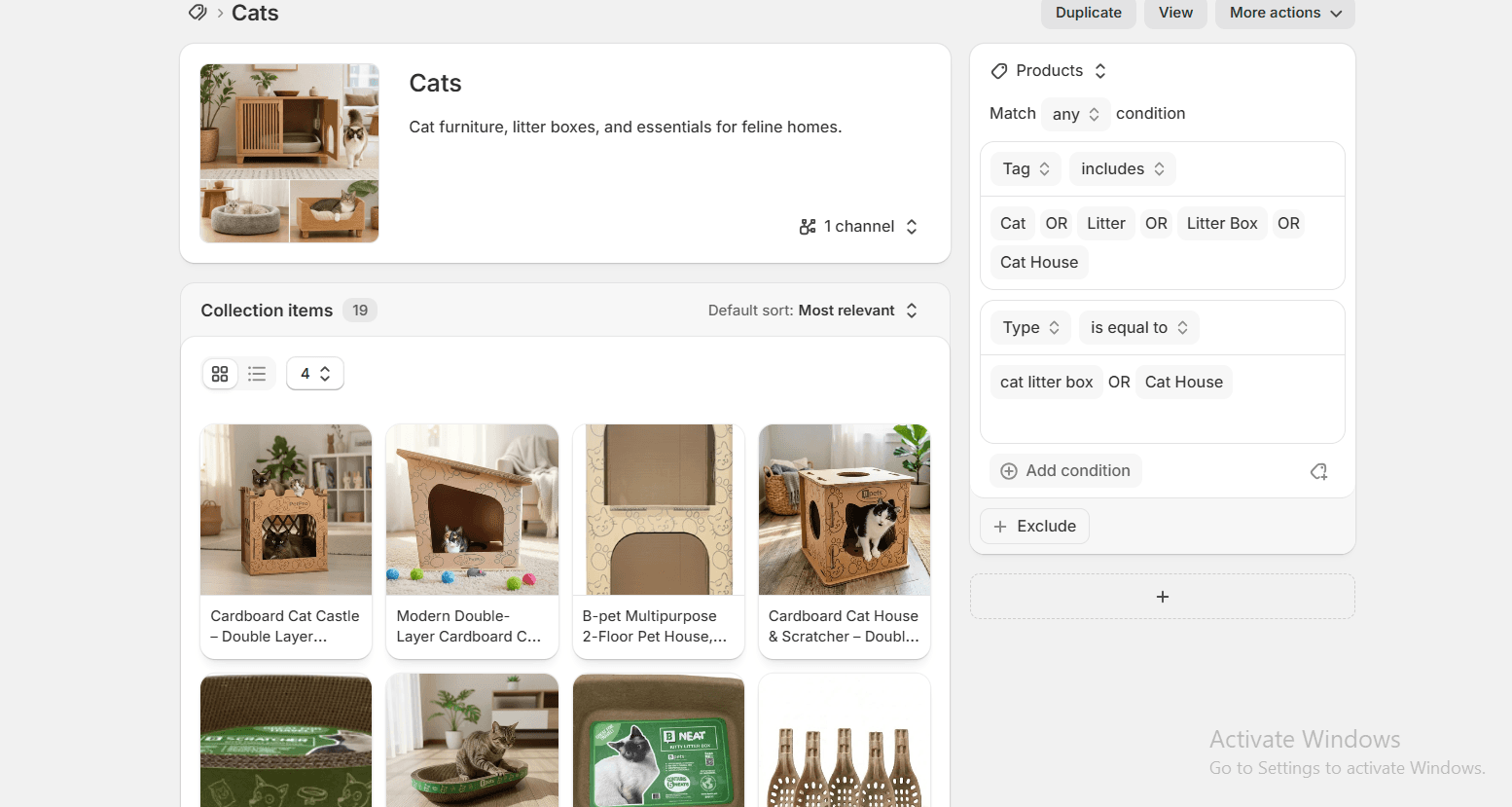
Shopify is preparing to launch one of its most significant Collections updates to date, and this release could fundamentally change how merchants structure category pages, optimize product discovery, and manage merchandising workflows.
For years, many Shopify stores have relied on a mix of Smart collections, Manual collections, and custom tag logic to organize products. While workable, this often created operational complexity and limited flexibility for scaling catalogs.
This new rollout moves collections into a more dynamic and modular model.
What’s Changing in Shopify Collections
1) New Drag-and-Drop Merchandising Experience
Shopify is introducing a more visual drag-and-drop interface for collection management. This helps teams curate product order and category logic more efficiently without heavy manual edits.
2) Smart and Manual Collections Are Being Replaced
Instead of separate collection types, Shopify is moving to source-based collections.
Merchants will be able to define multiple sources and combine them in one collection, including:
attribute-driven sources (tags, inventory, etc.)
manual inclusions
manual exclusions
This creates far more flexibility than the old binary model.
3) Subcollections Are Becoming Native
Subcollections are one of the most anticipated changes. You can now use a parent collection as a source and create focused subsets with selective exclusions.
This reduces dependency on complicated tagging systems and helps prevent missing or inconsistent product placement.
4) App Sources Expand Collection Intelligence
Collection management apps will be able to provide custom sources directly in Shopify collections.
This opens new opportunities for advanced merchandising logic powered by third-party apps and automation tools.
5) Variant Collections Introduce Precision Merchandising
Variant collections allow stores to include or exclude specific variants for collection page presentation.
Example: if you create a “Green Shoes” collection, products can appear while only relevant green variants are surfaced on product cards and collection filters. Importantly, products are not split into separate items, and full variant options remain on product pages.
This is a major step toward balancing cleaner collection relevance with intact product detail structure.
Why This Matters for SEO and Conversion
From an organic growth and UX standpoint, this update is highly impactful:
More relevant collection pages improve category intent alignment
Cleaner architecture supports scalable internal linking
Variant-focused visibility can improve filter usability and click quality
Better merchandising control can reduce bounce from mismatched listing pages
For growing brands, this isn’t just a feature update — it’s an opportunity to rebuild collection strategy for better discoverability and higher conversion outcomes.
Final Take
Some of these changes are long overdue, and some are unexpectedly ambitious. Either way, Shopify collections are becoming much more powerful and much more strategic.
If you run or scale a Shopify store, now is the right time to audit:
collection logic
tagging standards
navigation structure
merchandising workflows
At Techlyser, we recommend treating this rollout as a strategic upgrade window rather than a routine platform change.
Comments & Queries
Ask a question or share feedback. Comments are moderated before publishing.
No approved comments yet.
Previous
AI Traffic Without CRO Is Just Expensive Analytics
Next
Why AI Search Loves Structured Content (And Why Shopify Metaobjects Matter) Meta description:
Related Posts
Custom Shopify Development: Scaling Past Template Limits
Off-the-shelf e-commerce templates often become a bottleneck for site speed and conversion rates. Discover how custom Shopify development helps mid-market
Why Next.js is the Engine for High-Performance Websites
Slow, legacy websites drag down search rankings and conversion rates. Learn how Next.js delivers the rapid page speeds, security, and architectural
Custom Shopify UX Design: Build High-Converting Stores
Out-of-the-box templates limit your brand's conversion potential. Discover how custom Shopify UX design and performance optimization turn slow storefronts